Dr. Joel Fuhrman (Eat for Health) is one of the major proponents of a predominantly vegetarian diet he calls nutritarian. At first blush, his diet is very similar to that which I have long promoted: eat lots of fruits, vegetables, and tree nuts while eliminating dairy and grain-based foods. Dr. Fuhrman also allows very limited amounts of eggs, fish/shellfish, and poultry, but would essentially eliminate red meat. It is at the level of protein intake that Dr. Fuhrman and Dr. Fuller differ. Dr. Fuhrman wants proteins to be essentially vegetable-based, while Dr. Fuller knows that humans also need animal-based proteins.
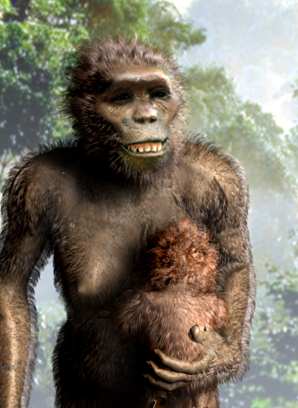
Both of us recognize that humans are primates and that chimpanzees are our closest living relatives. Therefore, we both look to the chimpanzee diet for guidelines as to what our ancient ancestors ate. However, Dr. Fuhrman seems to conflate the diet of the gorilla with that of the chimpanzee. He also ignores a major difference we have with our fellow apes and the implication that has for human diets: our much larger brains.
Gorillas eat a lot of leafy vegetation; they are vegetarians. Chimps eat very little leafy vegetation. The major components of the chimp diet are fruits and nuts, but they also eat as much animal-based protein as they can find: ants, termites, eggs, monkeys, bush pigs, etc. Dr. Fuhrman combines the gorilla’s leafy diet with the chimp’s fruits and nuts and concludes that this is the proper diet for humans. In the wild, generally the only time chimps eat leaves is when they eat meat (except for certain unpalatable leaves eaten to remove intestinal parasites). Chimps and humans do not have the same ability that gorillas have to process large quantities of leafy vegetation through their guts.
Archaeological evidence shows that hominin (humans and their ancient ancestors) brains did not begin to enlarge until animal-based protein (primarily fish/shellfish and water fowl eggs) became a larger component of the diet. These foods are excellent sources of omega-3 fatty acids, necessary for proper brain growth, development, and function. Some plant-based foods such as tree nuts and flax seeds do provide omega-3 fatty acids, but research shows that these are not a good source: humans (and other mammals) cannot efficiently convert the plant-based fatty acids into the forms required for use in the brain. With the development of agriculture and an increasing reliance on plants in human diets, the size of human brains has actually decreased over the past 10,000 years.
In chapter 13 of Eat for Health, Dr. Fuhrman has an entire section inveighing against eating fish and shellfish because of mercury contamination. Mercury is a problem in large, long-lived fish. However, it is not a problem in shrimp and sardines, and other small, short-lived varieties. Is it worth relegating fish and shellfish to a very minor part of your diet if it also means that you are not providing your brain with enough omega-3 fatty acids?
Overall, Dr. Fuhrman’s book is full of good advice for those who are overweight and have chronic health problems. However, his nutritarian program is too close to that of a vegetarian/vegan if you want to have an optimally functioning brain. A few modifications will bring Dr. Fuhrman’s plan into line with Dr. Fuller’s Premier Nutrition Plan [http://www.anthrohealth.net/AHNews%20V6N7.htm]: a plan that keeps you healthy and brainy.