Change is difficult, especially if you are trying to make big changes. And it may be unclear what would be the best way to change. So let’s start small with a simple dietary change. This change is called Color It Bright.
The biggest mistake that most individuals make when cooking at home or eating out is to have a meal where all or most of the food is in a similar, boring color palette of white, cream, tan, brown. A palette of that color scheme often means fried food (high fat) is present. But the biggest problem is that the nutrient content of such a meal is poor.
For instance, look at this picture of a typical restaurant southern fried chicken dinner. Note that the color scheme is blah: brown fried chicken and fried okra; brown pinto beans; cream/brown corn bread; and creamy coleslaw. BORING!!

Fried chicken dinner with pinto beans, fried okra, coleslaw, and cornbread.
This meal will fill you up and will provide you with some protein, but it is high in fat and low in vitamins, minerals, and phytonutrients that are needed for good health. If most of your meals are in the blah, boring color palette, this needs to change.
The best meals are those where two-thirds to three-quarters of the foods you eat are brightly-colored fruits and vegetables: the deeper, the richer the color, the better. If you cook/boil your vegetables until they are a pale imitation of their fresh or frozen state, then you are cooking out the good stuff. It is best to eat fruits and vegetables raw or steamed.
Some of you may be saying, well I have a pretty colorful meal because I eat yellow corn with my chicken. Sorry, but corn is not a fruit or vegetable. It is a grain, so it doesn’t count towards the two-thirds to three-quarters total of brightly-colored, nutrient-dense fruits and vegetables. Nor does yellow cheese count as a colorful food. This is just a saturated-fat version of white milk.
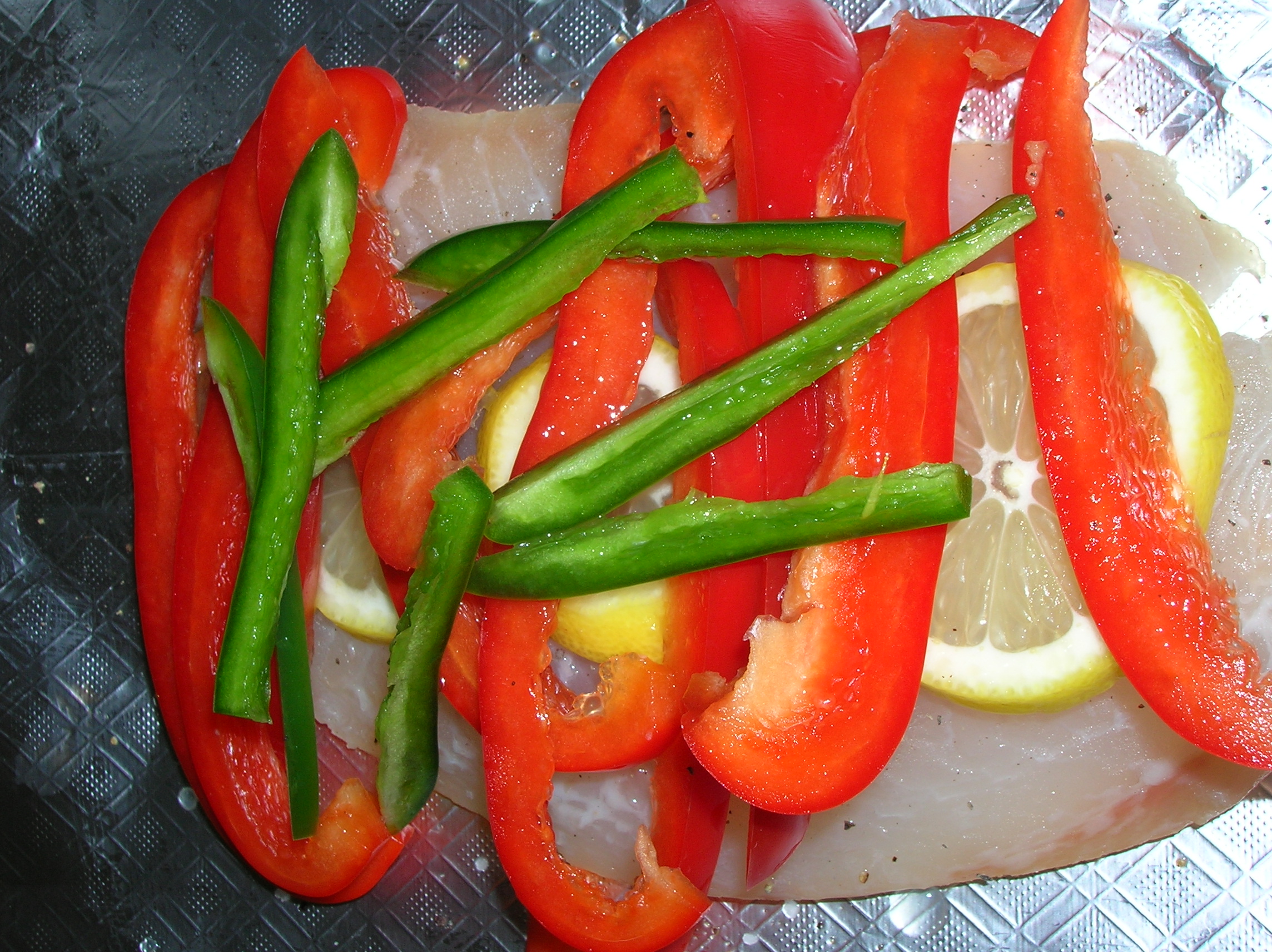
The picture below provides you with a better example of healthy eating. Note that about half of the food on the foil is brightly colored. The other half will be grilled tilapia: an excellent low-fat source of protein, which makes the 50/50 balance acceptable.
For meat and potatoes fans, there are also healthier, colorful options such as shown below. In place of nutrient-poor white potatoes, substitute bright orange sweet potatoes. Make sure the meat portion is only one-third or less of the meal. Add another brightly-colored vegetable, and you are good to go.

Salads are an excellent way to get lots of fruits and vegetables into your meal, but only if richly-colored leaves are used. As noted above, creamy coleslaw is a big no-no. This is also true of salads primarily based on iceberg lettuce. Most leaves of iceberg lettuce are so pale that they contain only the idea of green, not the reality, as is obvious in this salad shown below. Yes, it does include a bit of a bright spot with the few tomato pieces; but otherwise, it is strongly tilted towards the boring end of the eating palette.

On the other hand, the salad shown below hits the right, bright spot for dining pleasure. The leaves are richly colored. There are broccoli florets and cherry tomatoes. And only about one-quarter of the salad is the pale tilapia. You could add some julienned carrots for even more color and nutrition.

Here is another excellent choice: Thai chicken salad which is three-quarters spring greens and spinach and one-quarter grilled chicken.

What about dessert? Pink frosting on confetti cake doesn’t count. Sorry. But you can still make your sweet tooth happy with a beautiful bowl of mixed berries; and get tons of great nutrients in the bargain.

Let’s not forget breakfast. Most of you probably consider breakfast a bowl of cereal with milk. Not a good color scheme. You may add fruit to the cereal, which is better. But the fruit needs to be at least 50% of what is in the bowl to make it a good balance. Or, you could have 25% fruit mixed with cereal, and also eat half a grapefruit.
For those not into cereal, a better option overall is an omelet made with the entire egg, not just the whites. There are lots of good nutrients that your body needs in the yolk. The spinach omelet shown below packs a good and colorful nutrient punch, but could be even better if tomatoes were included.

So make the easy change to eating nutrient-rich meals:
Color It Bright and you will be Eating Right!


