Showing posts with label health. Show all posts

Sunday, June 3, 2012

Obesity and Vitamin D

It has been awhile since I talked about vitamin D on this blog, so here are some new insights. Research published in May in the American Journal of Clinical Nutrition found that mother's who are vitamin D-deprived during pregnancy are more likely to have children who suffer from obesity. Of the 977 women in the study, the average serum level of 25 OHD (vitamin D) was 24.8 ng/ml which is about 50% of the optimal level of 50 ng/ml.  However, the vitamin D status of these women was actually worse than this since 35% of the women had serum 25 OHD levels below 20 ng/ml and were, therefore, clinically deficient in vitamin D. These women gave birth to infants who were low in both lean and fat body mass, but who, by age six, had higher levels of body fat than did the children whose mothers were vitamin D-sufficient during pregnancy.  The researchers checked for confounding factors, but found that maternal BMI and weight gain during pregnancy did not play a role.  They concluded that, "Lower maternal vitamin D status may be linked to programmed differences in offspring fat mass. The findings require replication but add to a growing evidence base for a role of vitamin D in the origins of adiposity."  That is, pregnant women who have inadequate levels of vitamin D may pre-dispose their children to obesity later in life.  It does not appear that the researchers checked the vitamin D levels of the children.  But if the mothers were deficient during pregnancy, the children would have been born vitamin D deficient.  And it is probable that their vitamin D status was not optimized during childhood, especially if the mothers followed the dermatological guidelines which prevent children from receiving UVB radiation exposure and thereby prevent them from making vitamin D by exposing their skin to sunlight.  [See my post on Dermatological Purdah for more on this issue.]
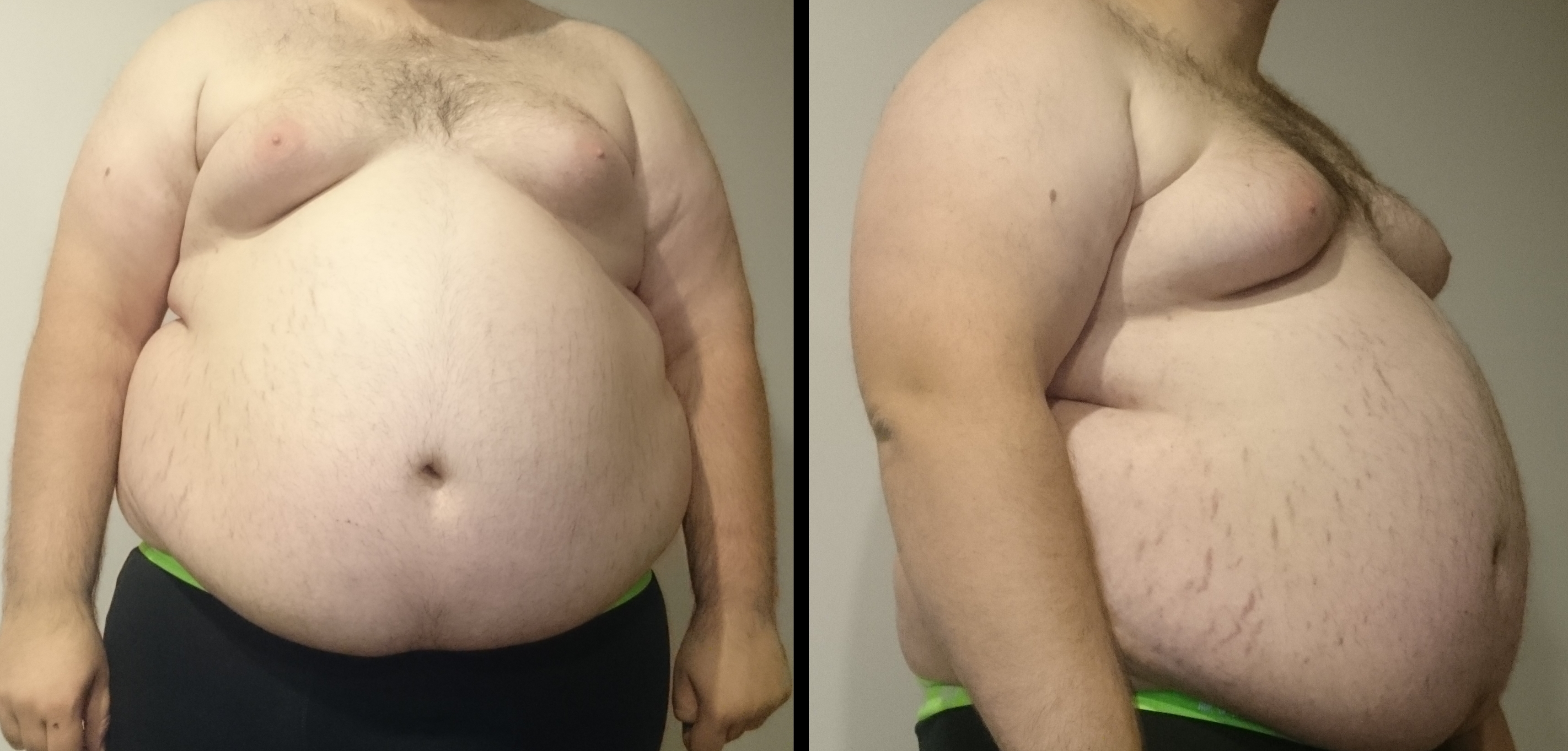

This research provides further support for an earlier study (2009) on weight loss at the University of Minnesota that found that obese individuals were vitamin D deficient. Dr. Sibley was running a diet study with 38 participants.  She found that those who were vitamin D-deficient had a much harder time losing body fat than did those with higher levels of vitamin D.  While she admits that her observational study does not provide clear evidence for a cause/effect relationship between obesity and vitamin D levels, it is suggestive.  The hormonal form of vitamin D affects the "...same pathway (the renin-angiotensin system) [that] also affects fat cell development and metabolism...What’s interesting about our study is we did not recruit people to be vitamin D inadequate; we recruited people who were overweight or obese for our weight-loss study. And they happened, on average, to have inadequate vitamin D levels, so it tells you how prevalent the problem is.”  


While more research needs to be done on this connection, vitamin D deprivation is a widespread problem in the United States, as is obesity.  If raising serum 25 OHD levels can increase weight loss and prevent childhood obesity, then this problem seems to have a relatively easy fix.  If you've taken the dermatologist's warnings seriously, but you still want to raise your vitamin D levels, then you will need to take supplements.  Make sure the supplements are vitamin D3, without calcium. Excess calcium intake via supplementation is a bigger problem than no calcium supplementation. To raise your levels to 50 ng/ml, you will probably need to take 2000 - 4000 IU/day.  It is a good idea to have your vitamin D levels checked before beginning supplementation, and then again after three months of supplementation.  Pregnant women need to take at least 5000 IU/day of vitamin D3.


If diet and exercise are not really doing the job in helping you to lose weight, try optimizing your vitamin D levels.  It may be just the kickstart you need to get you on the road to better health.


Friday, June 24, 2011

The Vegetarian Myth

Over the past two decades, I've tried to get vegetarians, and especially vegans, to rethink their diet. I've told them that humans are adapted to eat eggs, fish, shellfish, and meat; that if they didn't eat these foods, they were threatening their future health and well-being. I don't think I was at all successful, perhaps because I've never been a vegetarian myself. I hadn't been a true believer. And vegetarianism/veganism is a belief system.

Then I read Lierre Keith's The Vegetarian Myth: food, justice, and sustainability. It is a clarion call to vegetarians and vegans from a former vegan who followed their dietary tenets religiously for 20 years,and in the process destroyed her health and probably reduced her lifespan.


But this book is not just for vegetarians. It is written for all of us because it is about food and what our diets, no matter what we eat, are doing to the soil of the Earth, which is also the soul of the Earth.

Lierre Keith is a passionate writer who makes you feel her pain and despair.  She desperately wanted the vegan lifestyle to be the salvation not only for herself, but for Earth and all its living organisms.  But after 20 years, and near death, she finally realized that her diet was killing her.  And when she began to really study the process of food acquisition, Keith also realized that the vegan diet was killing the Earth.  Instead of being Earth's salvation, it was Earth's doom.

This may sound overly dramatic, but once you read her book and digest all the research she has done, you will realize that I have only stated the basic facts.

As a biological anthropologist, I can state that we have known since at least the mid-1980s that the origins of agriculture began a destructive process which is only accelerating.  Humans are not meant to live on a grain-based diet.  When grains are the primary source of nutrition, health is compromised.  Just this week (6/18/2011), another study was published detailing the decline and fall of health with the rise of agriculture: http://www.sciencedaily.com/releases/2011/06/110615094514.htm

Keith approaches the reader as a fellow traveler who wants to do the right thing, and who guides the reader to see the truth even when it conflicts with deeply held beliefs.  The major divisions of the book are directed at Moral Vegetarians, Political Vegetarians, and Nutritional Vegetarians.  She concludes the book with a plea to Save the World. 

As a Moral Vegetarian, Keith states that, "...I had bet my whole moral system--and built my whole identity--on the idea that my life did not require death."   Factory farming of animals is a terrible, destructive process.  But so is destroying marshes, grasslands, and forests to grow more grains.  What about all the killing of those ecosystems to provide the wheat and corn and soy for the vegan's diet?  What about the destruction of topsoil?  Is that really morally better than eating eggs and fish?

"Find a small wild spot somewhere, the edge of a parking lot, the tree outside your window, and watch.  Really watch.  This is what you will see:  everything is eating and then being eaten, and through it all life endures.  This is no hierarchy, only hunger.  And it's through our hunger that we participate in the cosmos, in an endless cycle of life, death, and regeneration."

Political Vegetarians believe that their diet will preserve resources to feed the world's hungry.  If there are no cows to feed, then more people can be fed.  They believe things like: "...a 10-acre farm can support 60 people growing soybeans, 24 people growing wheat, 10 people growing corn and only two producing cattle."  Keith responds, "Set aside the fact that a diet of soy, wheat, or corn will result in massive malnutrition--along with fun stuff like kwashiorkor, pellagra, retardation, blindness--and ultimately death."  Such a farm will also destroy the soil.

"It is not my project to try to feed every human being that we can produce while we chew the planet to the bone.  I'm not asking, How many people can be fed? but a very different question: How can people be fed?  Not, What feeds the most people? but What feeds people sustainably?  We need a full accounting.  The absolute bottom line is: what methods of food production build topsoil while using only ambient sun and rain?  Because nothing else is sustainable." [italics in original]

As for Nutritional Vegetarians, "The first myth of the nutritional vegetarians--that we aren't meant for meat--is another fairy tale filled with inedible apples."  This myth is the result of research on foraging populations misclassifying all gathered foods (primarily collected by women) as plant foods.  Much of what was gathered were actually animal foods: fish, shellfish, "insects, grubs, reptiles, small mammals."  The plant foods were primarily nuts, fruits, berries, and tubers.  Grains?  Not so much.

As Keith points out, citing the extensive analysis of the physical and dental health of foraging populations done by Weston Price in the early 20th century, populations eating a traditional foraged diet were extremely healthy.  When they switched to a grain-based Western diet, their health, and especially that of their children, declined.  "Of course the food with the most minerals are marine foods, which is why the healthiest people Price found were coastal-dwelling fishing peoples."

Lierre Keith concludes her book with a radical plea to change the world.  This may be the most difficult chapter of the book since it requires the most of reader.  Keith does not believe that small, incremental change will be able to solve the food production problems.  It will require massive, radical change.  Since even small changes disturb most individuals, I have grave doubts that the radical changes Keith wants such as the end of agribusiness, the revival of small family farms, eating locally, and massively reducing the human population, will occur until we are left with no choice.  At which point, it probably will be too late for us.

I strongly urge everyone to read this book.  If nothing else, it should make you think about dirt, our precious topsoil, in a whole new way.

Wednesday, May 26, 2010

The Simple Key to Better Health

There are many things that you can and should be doing to make sure you are as healthy as possible. But, frankly, most of you will resist doing them for one reason or another. You won’t really change your diet because, “I can’t live without bread!”; or “Cheesy fries are SO good!”; or whatever. Maybe you will try to add a few more fruits and veggies, but give up anything you love? No way!


And what about exercise? You know you need to get more, but your life is so busy! Where can you fit it in? You could park at the back of lot so that you’d at least get a little exercise at the office or the store, but hey, “I’m running late!”; or “The bags are so heavy!”; or whatever.

Recent research has shown that adequate sleep (8 – 10 hours) is necessary to consolidate learning and to reboot our immune system which gives our bodies a chance to heal and fend off invaders. But we live in a 24/7 society. Who has time to sleep?! So much to do; so many places to be. So…not enough sleep.

We’ve become a pill-popping, easy-fix society. Normally, I am against this. But there is one case where I no longer think we have a choice; where popping the pills may be the best and simplest key to better health.

Those of you who’ve read my newsletters and blogs over the years probably know where I am headed with this.  Yes, the simple key to better health is taking more vitamin D3 pills. You can do this in, what, 30 seconds? I think you can manage to fit that into your busy schedule. And the cost is reasonable. Give up a can of soda and you’ve paid for about one week’s worth of pills [2000 IU/day].

Now, your skin is capable of making vitamin D, but… But unless you have very light skin and can spend about 10 minutes/day between 10 am and 3 pm in the sunlight, making adequate levels of vitamin D via your skin is going to be difficult. The range of skin color is large and as each shade darkens, the length of time needed to spend in the sun increases. If you have very dark skin color, you will need to spend around 6 hours in the sunlight. Unless you have an outdoor job and expose your skin without sunscreen or clothing (say, like a life guard), getting enough sun exposure is just not feasible for most of us. And the dermatologists would have a fit anyway.

In addition, making vitamin D via skin exposure to sunlight only works during April – October in northern latitudes. During the winter months, you are draining your stores so that by February, you are running on empty. The easy fix to this problem is to take vitamin D pills year round.

Some of you might think you can get enough vitamin D from food sources, but this is not the case. The best food source is fatty fish such as sardines, but that will give you only about one-quarter of what you need daily. I do eat sardines daily, but I also take a supplement. Milk is not a good source of vitamin D for multiple reasons, but primarily because it provides so little per glass compared to what your body actually needs. Skip the milk and take the pills.

Back in the early 1990s when I first began doing research on vitamin D deprivation, the literature stated that 20 ng/mL was the normal (and presumably adequate) level of 25 OHD (the baseline form of vitamin D used in your body). By the late 1990s, the optimal level was raised to 32 ng/mL. It has been going up ever since as researchers discover more and more health issues related to vitamin D deprivation. The optimal level is now at 60 ng/mL. This level is impossible to achieve with the current RDIs of 200 IU [children and young adults] or 400 IU [adults over 50] or even 800 IU [senior citizens]. The minimum daily dose recommended by most researchers in the field is now 2000 IU/day for older children and adults. During the winter months, you will need more. If you are confined inside or are a senior citizen, you will need more year-round. Vitamin D is fat soluble, so if you are overweight, your fat cells are pulling 25 OHD out of your blood stream, preventing it from doing its job. This means that you will also need to take more vitamin D year-round than may be true of someone who is slimmer.

Because vitamin D is fat soluble, pills should be taken with healthy-fat foods. For instance, I take my pills in the morning with my real egg salsa omelet. You might want to take yours with a handful tree nuts such as cashews. Current researchers do not recommend taking cod liver oil. Cod liver oil contains significant levels of vitamin A in addition to vitamin D. Vitamin A acts as an antagonist to vitamin D limiting its effectiveness. Also, excessive doses of vitamin A are harmful. Therefore, it is better to take a vitamin D pill that is not combined with vitamin A. It should also not be combined with calcium. If you and/or your doctor feel you need more calcium, it is probably because your vitamin D levels are much too low. When vitamin D is optimized, the body can function properly with around 500 mg of calcium/day. Getting too much calcium in supplements can also be harmful.

For those who want to know more, a recent book, The Sunlight Solution by Laurie Winn Carlson, PhD, provides a good source of information on the history of vitamin D deprivation and research, and on current research along with all the various health issues related to vitamin D deprivation. [Full Disclosure: Dr. Carlson devotes two pages to the discussion of my article: Health Disparities: Reframing the Problem. 2003 Medical Science Monitor 9 (3): SR9-15] After reading the book, you will probably want to spend more time in the sun and will definitely want to take more vitamin D.

Vitamin D is not a panacea. Taking a couple of pills each day will not magically change your life, nor will it solve all your health problems. However, if you are reluctant or unwilling to make the type of changes that take more effort (e.g. diet, exercise, sleep), taking vitamin D supplementation will at least give your body and your health a fighting chance. If you decide you want to learn more about these other aspects of your health, in addition to further information on vitamin D, you can order my book: Walking in Sunshine: LifeStyle Changes to Make for a Bright, Healthy Future.

Wednesday, April 21, 2010

Display Some Adaptability: The Wisdom of Jack and Bobby Shaftoe

One of my favorite authors, the novelist Neal Stephenson, created a family that epitomizes the virtues of adaptability: the Shaftoes. The Shaftoes were first introduced in Cryptonomicon, but we discover their ancestor, Jack Shaftoe, who displayed amazing, resilient adaptability, in the Baroque Cycle novels (think Captain Jack Sparrow on steroids). Whenever the 20th century Shaftoes (Marines and marine salvage operators) encountered a problem or crisis, their signature phrase and action was to “display some adaptability.” This is good advice for all of us.

 Change happens. [Feel free to insert a more colorful term for ‘change’.] How we respond to that change indicates how adaptable we are. One would think we would all be pretty adaptable since we are the descendants of those who survived prior changes. But that is the thing about change: it changes. Techniques/behaviors/physiology that worked, or at least didn’t hinder, in the past may well be less than optimal today.

 Some changes require fast action: your house is on fire, run, call 911! But many changes give you a chance to pause and think about how you could best adapt to the change. Here the techniques/behaviors/physiology of the Shaftoes can provides us with some useful guidelines.

• Be aware of your surroundings. Don’t go through life on autopilot. Change is less likely to take you by surprise.
• Become acquainted and make friends with those who come from backgrounds/cultures that differ from yours. You can learn a lot from them and they may provide you with needed contacts when change occurs.
• Try out new things and learn new skills. You never know when they will come in handy.
• To emphasize the previous point: Never Stop Learning! The ability to learn is key to displaying some adaptability.
• Get plenty of exercise: stay in good shape. Change is easier if you are healthy and fit.
• No matter how much change flattens you, if you use your brain and get help from your friends, you can survive, and even thrive, when change occurs.

I know that many of you have read Cryptonomicon and the Baroque Cycle. Are there any guidelines you would add to this list? Please add comments.

And don’t forget to Display Some Adaptability!

Saturday, January 2, 2010

Focus on the Future


Welcome to a New Year and a New Decade! New beginnings mean we should think about the future. What are your goals, plans, desires, wishes, wants, needs? This is not the time to focus on what might have been. Nor is it the time to live only in today. The past provides guidance for the present, which allows us to plan for the future.

Thinking about the future means thinking about your health. If you don’t think about your health, your future may be Hobbesian: “poor, nasty, brutish, and short…”

Scientists tend to be future-oriented, even those such as paleontologists and archaeologists who study the past. They study the past to understand how the present was formed and to predict what the future might be. Failing to think about the future can have disastrous consequences, as the Maori of New Zealand discovered.

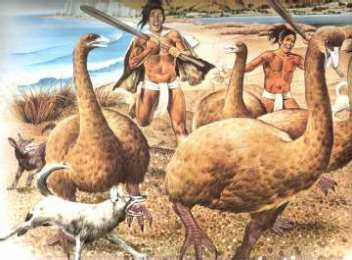
The Maori arrived in New Zealand around 800 - 1000 years ago to discover a land of wondrous and seemingly unending bounty. After a months-long voyage at sea, it must have seemed that they landed in paradise. Numerous species of flightless birds, the moa, some taller than 10 feet, lived in large colonies throughout the islands. The shores were home to large populations of seals. Having never encountered humans before, these animals had no fear and were thus easy prey.


The Maori probably brought with them the usual Polynesian domesticates such as pigs and chickens, but given such natural bounty, it appears no effort was made to retain them since there is no archaeological evidence of pigs and chickens in New Zealand prior to European settlement. Unfortunately, another animal that arrived with the Maori did make its presence felt: the rat. Within a few hundred years, the combined depredations of the Maori and the rat drove the moa, the seals, and most other large-to-medium-to-small-sized animals to extinction, or to bare survival in rat-and-human-free refugias. There was one other animal that arrived with the Maori, the dog. After the collapse of the ecosystem, dog and rat became the Maori’s primary dietary meat sources. The Maori also subsisted on tubers that were considered delicacies in New Zealand, but were starvation foods elsewhere. They were able to fish and collect shellfish, but life in New Zealand became nasty, brutish, and short. Paradise was lost.

There are those who believe that we should live only for today because we do not know what tomorrow brings. In the midst of bounty, planning and/or saving for the future probably seems foolish. I imagine it seemed that way to the original Maori. Who thinks about your children’s grandchildren and the life they will have? There is plenty now. Won’t there always be plenty in the future?

Most humans have difficulty thinking about and planning for the future. This is probably what makes the discussion of global climate change so fractious. The future-oriented scientists clearly see the problem and have plans of action to help ameliorate it. But those individuals who are not future-oriented see only that life is much the same as it was a few years ago, and so believe that there is no great need for concern. Let tomorrow take care of itself.

This same lack of concern for tomorrow also means that the non-future-oriented are more likely to put their health at risk. They say, “I feel fine today. What I am doing [sitting on the couch] and what I am eating [junk food] must be OK because I am able to do my job, pay my bills, and have fun. Life is good. I don’t need to change my life. Besides, change is difficult, and no fun.” Perhaps. But then type 2 diabetes and heart disease aren’t fun either. “Who cares? I don’t have those problems now. No one lives forever anyway.”

Those who live only in the present have a fatalistic outlook: the future is set and nothing can be done to change it. In contrast, the future-oriented individual believes that the future is full of possibilities and opportunities over which he or she has some control. Decisions made today will have repercussions for good or bad in the future.

It may be that whether or not one is future-oriented is an inborn personality trait. If so, it will indeed be difficult for those without this trait to plan and make the changes in their lives that will lead to a healthy life many years down the road. In that case, they may need to view the future as next month, or next week, or even tomorrow in order to begin to change.

You need to take care of yourself now so that you will be able to make the most of the opportunities the future brings. Start the New Year and the New Decade out right by deciding to make the changes that will result in this being your best year and best decade yet.

See you in a bright, wonderful future!

Wednesday, December 9, 2009

'Tis the Season


It’s that time of year when we start thinking about the health and well-being of ourselves and those we love. As one year ends and another begins, we think about what we’ve accomplished, what we still want to do, and what we need to change.

To help you achieve your goals, you may wish to purchase a PDF copy of my book Walking in Sunshine: LifeStyle Changes to Make for a Bright Healthy Future at this link:
http://www.anthrohealth.net/ahbook.htm

Learn how your individual biology, behavior, and the environment in which you live interact to affect your health and well being. Discover why: adaptations matter, walking is the best exercise, sunshine is necessary, proper diet = better health, natural parenting is effective parenting, and much more.

Walking in Sunshine includes the Flexibilities appendix: color photos and directions detailing each movement in the sequence of stretches that scientific research has shown will help you prevent heart attacks, strokes, and osteoarthritis. Feel and act younger, move more gracefully, lose the achiness. Get flexible and live longer. Flexibilities can also be purchased as a separate PDF copy at this link:
http://www.anthrohealth.net/ahflexbooklet.htm

Walking in Sunshine: LifeStyle Changes to Make for a Bright Healthy Future will help you and your loved ones improve your lives. In addition, a PDF copy is environmentally green. Better your lives while helping the environment.

‘Tis the Season! May you have a wonderful life full of health and well-being.

Wednesday, November 25, 2009

Gut Check

Over the past few weeks there has been a lot of media coverage on the new guidelines for mammograms and breast self exams. Analysis of scientific research indicates that mammograms can do more harm than good. This is not what anti-breast cancer crusaders like the Susan G. Komen Foundation want to hear. Women are worried and confused because they have been told that they must have mammograms to detect and prevent breast cancer. Now the scientists are saying that is not the case and that, in fact, they can be counter-productive.

For every women correctly diagnosed with cancer after a mammogram there are significantly more women who endure the trauma of a false positive reading. They have no disease but undergo what turn out to be needless breast biopsies where they run the risk of a lung puncture from a poorly-performed needle biopsy. Unless a woman has a family/genetic history of breast cancer, the odds of her getting it prior to age 70 are actually quite low.

No one wants to be the one to tell the average 40-year-old woman without a family history of breast cancer to stop getting mammograms and then find out 3 years later that she developed breast cancer. But, again, the odds of her developing it are low. The cancer foundations and some health professionals appear to be operating under the “better safe than sorry” mantra while ignoring the fact that false positives can also lead to a sorry situation.

In 2002, Gerd Gigerenzer, author of Calculated Risks: How to Know When Numbers Deceive You, pointed out that the general public and many medical professionals do not really understand statistics. This lack of understanding leads them to judge inaccurately the actual risks and benefits of health screenings.

According to Gigerenzer, the vast majority of physicians who participated in the research described in his book cannot accurately determine risks and benefits when these are presented in the form of probabilities. (e.g. There is a 25% risk reduction in death from breast cancer with mammography.) Only when the results are presented in the form of natural frequencies do the risks and benefits become clear. (e.g. 1000 women got mammograms each year for 10 years and 1000 women did not. At the end of 10 years, 3 women in the first group and 4 women in the second group died of breast cancer.) If we and our physicians cannot accurately determine risks and benefits when they are presented as probabilities, we could be unnecessarily risking our health. How many of the 997 women who got mammograms each year for 10 years also had false positives during that time? How many experienced the trauma, pain, and potential negative outcomes of the additional testing required to rectify that false positive?

Rather than relying on mammograms (and other types of screenings) to safeguard their health, it would be better for women in their 40s and 50s to actively employ measures that we know can help prevent cancer. These measures include eating plenty of richly-colored fruits and vegetables; eliminating dairy and other saturated fats; getting plenty of exercise; sleeping around 8 hours each night; and taking a minimum supplement of 1000 IU/day of vitamin D3. More vitamin D supplementation may be required to get the blood levels of 25 OHD to the optimal level of 50 ng/mL.

By following these preventive measures all women, even those with a family history of breast cancer, will reduce their odds of developing the disease. And those without a family history will be able to ignore their guts and go with their brains in accepting the scientific data which states that we in the United States have been over-using mammograms. Look at the natural frequency data. Mammograms haven’t been as much help as we thought. Eat right, exercise, sleep well, and take vitamin D. That’s where the science is.

Saturday, October 31, 2009

Flexibility for Life


When I was 32 I realized that I was not as flexible as I had once been. This disturbed me because at that time my grandmother was having increasing difficulty moving. Her shoulders were becoming stiff and inflexible. She needed a knee replacement. My grandmother was only 75. I loved her dearly, but I didn’t want to have the same problems with my body. From that point, I put together a series of joint movements I call Flexibilities; and I began doing them every morning when I first arose.

Over the next several weeks, I noticed that not only was I becoming more flexible, but I felt less achy and stiff when I awoke each morning. Doing the movements in the morning meant that I felt loose, alert, and ready for the day ahead. I walked a little taller with a bounce in my step.

Through the intervening years, I’ve continued to do the flexibilities each morning. On those days that for some reason I do not do the movements, I feel a little off. I’ve also found that if I do not do the flexibilities first thing in the morning, I am less likely to do them at all that day.

In addition to doing the joint movements, I do two other things to aid joint health. Each day with my breakfast (blueberries and bananas, tomato salsa omelet, and grapefruit juice) I take a vitamin D3 supplement. Vitamin D3 is vital for skeletal and muscle strength (and many other aspects of health). For lunch I eat water-packed sardines. Sardines are a super food: they are a great source of protein, calcium, vitamin D3, and omega-3 fatty acids. Omega-3 fatty acids help reduce joint inflammation (along with many other benefits).

Following this program for over two decades, I have great flexibility, no signs of osteoarthritis, and good overall health. Two research studies provide support for my anecdotal experience.

The first, published about one year ago by UC San Diego researchers, found that flexing joints prompts chondrocytes (cartilage cells) to produce a lubricating substance that keeps the joint surfaces smooth. The more the joint was flexed, the greater the percentage of chondrocytes that produced lubrication, keeping the glassy surface of the joint smooth. Joints that are not flexed produce very little lubrication resulting in an erosion of the smooth cartilage and, eventually, the pain of osteoarthritis.

The second study was published earlier this month in the American Journal of Physiology. These researchers in Texas and Japan found that an individual’s degree of flexibility could be positively correlated with that individual’s degree of arterial flexibility. That is, the most flexible adults had the best arterial condition and the lowest risk for having a heart attack or stroke. Those adults with the greatest joint stiffness were at highest risk of suffering from a heart attack or stroke.

Do you want to live a longer, healthier life? Then you need to add daily flexibilities to your routine. If you would like a PDF copy (for $3.00) of my Flexibilities booklet which includes photos and directions for each movement, click here. http://www.anthrohealth.net/ahflexbooklet.htm


Tuesday, August 18, 2009

Brain Power

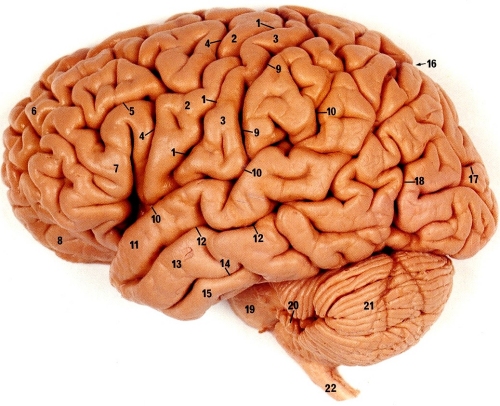
US News and World Report just published an article on “America’s 10 Brainiest States.” Degree of braininess was based on population surveys concerning the following indicators of brain health:


· Eat a Healthy Diet:
o Low saturated fat and cholesterol
o Five or more daily servings of fruits and vegetables
o Daily intake of omega-3 fatty acids, especially from eating fatty fish
o Breast feed infants

· Exercise at least 30 minutes each day.
· Watch your weight.
· Do not smoke.
· Sleep around 7 - 8 hours each night.
· Mental Stimulation:
o Read every day.
o Play mentally challenging games.
o Learn new things.
· Get involved:
o Volunteer
o Join clubs
o Stay in touch with family and friends

State rankings were based on the analysis of these factors. You can read more about the methodology of the study here: http://www.lifesdha.com/brainindex/About--i-lifesDHA--i--Index-of-Brain-Health.aspx (Washington, DC was included as a state for the purposes of this research.)

According to the researchers, the top 10 brainiest states/polities are: District of Columbia, Maryland, Washington (state), Vermont, Connecticut, Colorado, Massachusetts, New Jersey, Maine, and New Hampshire. The 10 lowest-ranking states are: North Dakota, South Carolina, Indiana, Arkansas, Kentucky, Tennessee, Mississippi, Oklahoma, Alabama, and Louisiana.

I found this distribution rather intriguing and wanted to explore it further, so I compared this ranking of state brainpower with the map of the Electoral College distribution from the 2008 Presidential Election.

All of the top 10 brainiest states are Blue States. All of the lowest ranking states, except for Indiana, are Red States. Further examination showed that of the top 25 brainiest states, only 7 (Georgia, Idaho, Montana, Utah, Arizona, Wyoming, and Alaska) are Red States. The other 18 are Blue States. And of those 7 Red States, all are in the West except for Georgia.

Now, as we know, Correlation does not equal Causation. But it is an intriguing distribution worthy of further thought.

A correlation that, in this case, does equal causation is that the indicators of brain health listed above match with the AnthroHealth Way to Health and Well-Being about which I’ve been writing since 2002. http://www.anthrohealth.net/aharchives.htm
So keep eating those sardines!

The Brain Health research website also includes a brief on-line survey you can take to see if you are living a brain healthy lifestyle: http://www.lifesdha.com/50-States/View-All-Rankings/tabid/330/Default.aspx

I want to hear what you think about the Blue State/Brainy State correlation, so please add comments to this blog.